Choosing the best PA system for a church in Kenya requires more than just picking the loudest speakers or the most affordable brand. It’s about understanding the acoustic needs of your worship space, the size of your congregation, and the types of services or events you host regularly. A well-planned audio setup ensures that every member of the congregation hears clearly—fostering unity, participation, and engagement during worship.
Below is a complete guide on how to choose the best PA system for your church in Kenya. It covers everything from understanding local audio needs to balancing sound quality and budget, comparing brands, and even tips for installation and maintenance.
Understanding Church Audio Needs in Kenya
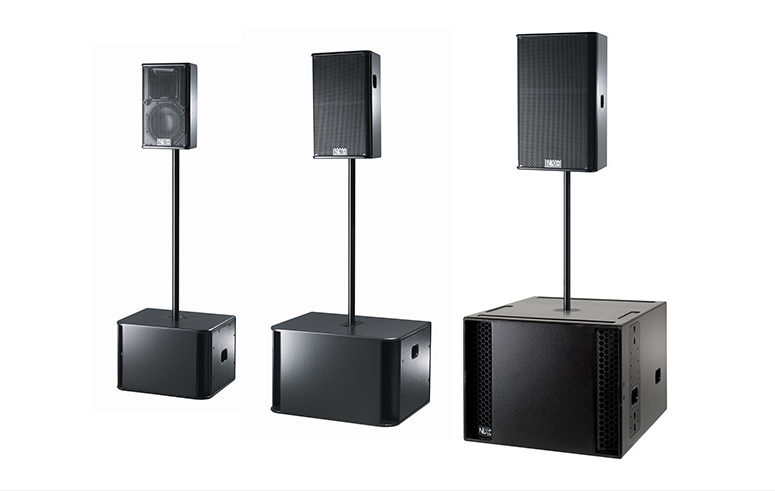
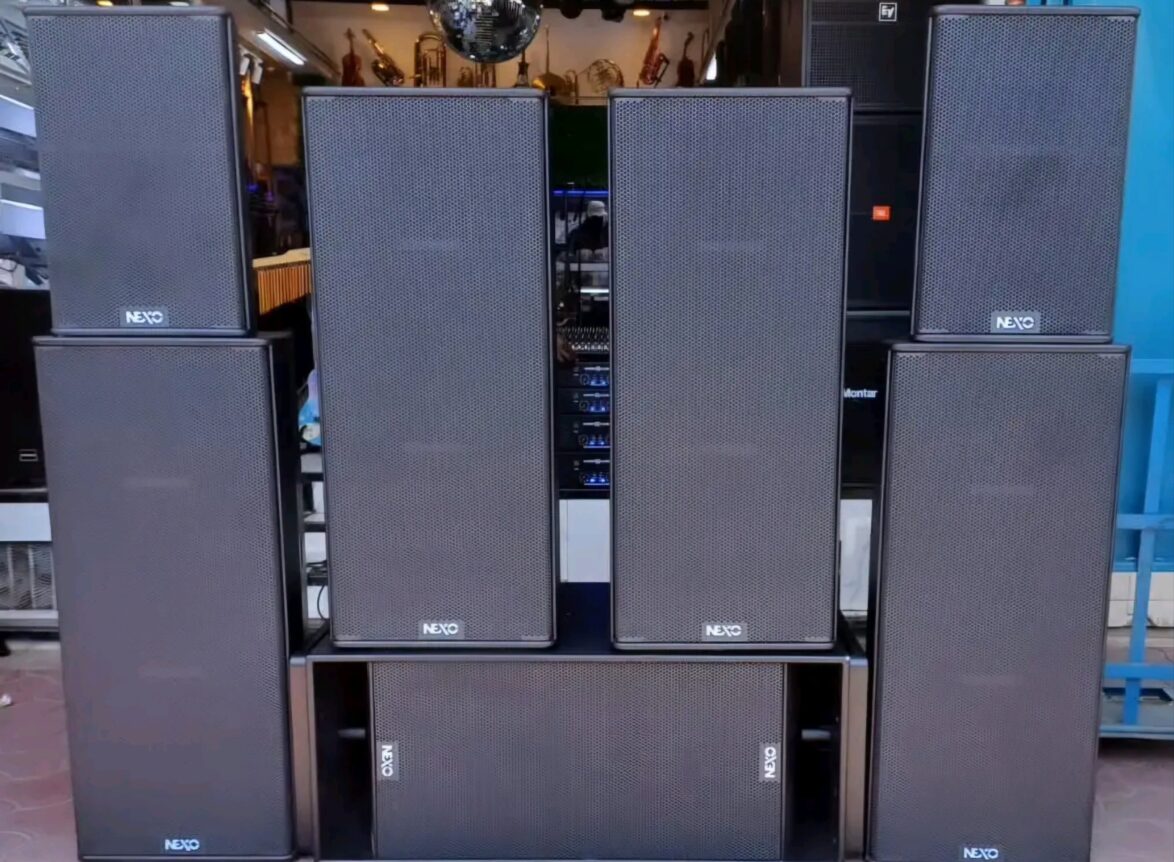
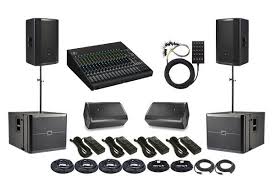
Churches in Kenya vary greatly in size and structure—ranging from small rural chapels to large urban sanctuaries. Each has unique audio requirements depending on its layout, building materials, and congregation size. For instance, a small church meeting in a hall may only need a compact system with two active speakers, while a cathedral-style church might require line-array speakers for even sound coverage.
Local climate and power supply also influence PA system choices. High humidity or dust, common in some regions, can wear out poorly protected equipment. Churches located in areas with unstable power supply should invest in power conditioners or UPS units to protect their gear from voltage surges. Considering the environment ensures longer equipment life and consistent sound performance.
Finally, the nature of your worship experience plays a huge role. Contemporary churches with full bands and vocalists will need a system capable of handling complex sound mixing. Traditional or more acoustic churches may prioritize clear speech projection for sermons and choirs. Understanding your audio needs helps create a system tailored to your ministry’s style and purpose.
Key Factors When Selecting a PA System
When choosing a PA system, start by identifying the power output needed for your church space. The larger the congregation and hall, the higher the power required. However, overpowered systems can lead to distorted sound if not balanced properly. Always match amplifier power with speaker specifications to achieve a clean, distortion-free output.
Next, consider portability and scalability. Some churches host outdoor events, crusades, or open-air worship sessions, requiring a system that can be easily packed and transported. Scalable systems—where components like subwoofers and monitors can be added later—allow churches to grow their sound setup without starting from scratch.
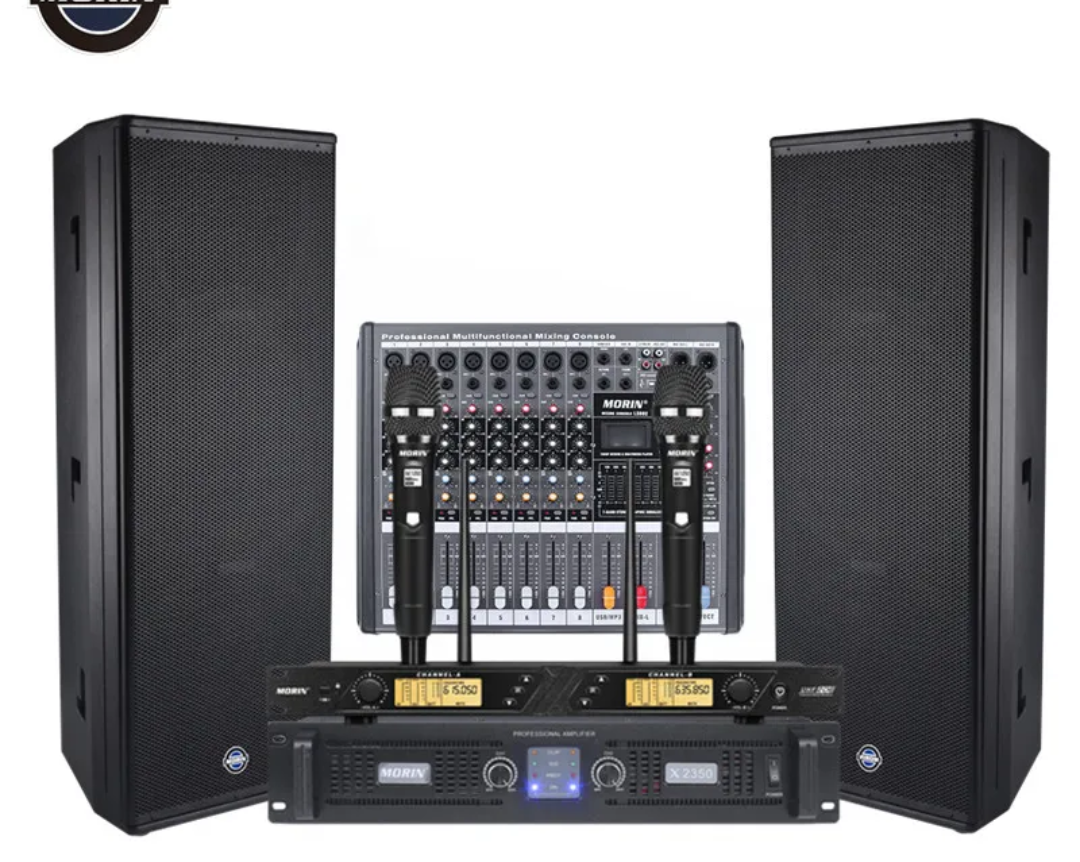
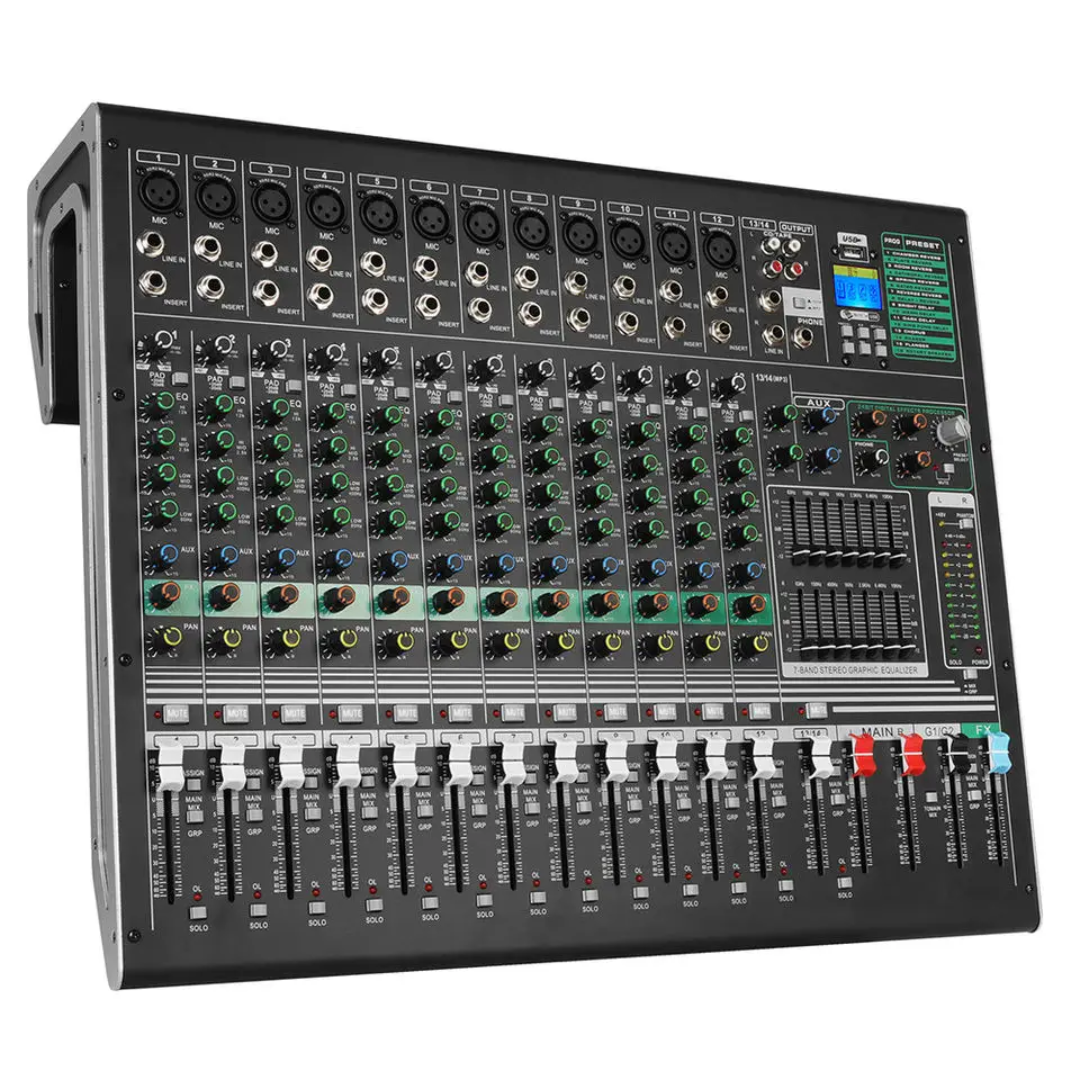
Compatibility with existing equipment is another key consideration. Ensure that mixers, microphones, and speakers work seamlessly together. Churches that record or stream their services will also need systems that integrate with audio interfaces or digital mixers. Investing in compatible and future-ready equipment saves costs and avoids unnecessary upgrades down the line.
Comparing Popular PA System Brands in Kenya
Several global and local PA brands are available in the Kenyan market, each offering unique advantages. Popular names like Yamaha, Behringer, and Mackie are known for dependable sound quality and wide service availability. Yamaha systems, for instance, are widely used by mid-sized churches for their balance between power and clarity, while Behringer remains a favorite for budget-conscious setups.
Locally distributed brands such as Wharfedale, Soundking, and Studiomaster also have a growing presence. These offer affordable alternatives without sacrificing reliability, with spare parts and servicing available through Kenyan dealers. For larger churches or institutions, brands like JBL or QSC might offer advanced digital control and better long-term scalability.
Choosing the right brand often comes down to support and warranty. Before purchasing, check for authorized distributors or service centers in cities like Nairobi, Mombasa, or Kisumu. Reliable after-sales support can make the difference between a smooth operation and costly downtime.
Balancing Sound Quality and Budget Limits
Church administrators often face the challenge of balancing sound quality with financial constraints. It’s tempting to choose cheaper systems, but low-cost options can quickly wear out or deliver poor audio clarity. The best approach is to define your essential needs first—speech clarity, music dynamics, or outdoor capability—and then invest in the equipment that best meets those needs within your means.
You can also adopt a phased purchasing strategy. Start with a basic but quality setup—a pair of full-range active speakers and a small mixer—and then expand as funds allow. This approach ensures good initial performance while allowing gradual system growth. Avoid overspending on high-end features that may not be essential for your current stage of worship development.
Additionally, don’t underestimate the value of professional advice. Partnering with local sound engineers or vendors familiar with church acoustics in Kenya can help you make informed compromises. They can recommend cost-effective brands and help you prioritize features that truly enhance your worship experience.
Installation Tips for Church PA Systems
Proper installation is as crucial as the equipment itself. Start by positioning speakers strategically for even sound coverage—front-of-house speakers should project directly toward the congregation without reflecting excessively off walls or ceilings. Avoid placing speakers too close to microphones to prevent feedback issues.
Cable management is another essential aspect. Use high-quality cables and ensure all connections are secure and shielded. Labeling each cable and device simplifies future maintenance and troubleshooting. If your church uses a digital mixer or networked system, ensure the router and control interface are placed where they have reliable connections.
Finally, conduct a test run before the first service. Adjust EQ levels for speech and music, set appropriate gain levels, and store presets for different services or bands. Having someone with sound experience oversee this process ensures that the system performs optimally from day one.
Maintaining and Upgrading Your Sound Setup
Like any piece of technology, PA systems require regular maintenance to stay reliable. Clean the equipment and dust speaker grills and mixers periodically to prevent buildup that can cause overheating. Inspect cables, connectors, and microphones routinely for signs of wear and replace them promptly to avoid sudden failures during services.
Software or firmware updates are also important for digital mixers or wireless systems. Updated software can fix bugs, improve sound processing, and enhance control options. Churches with volunteers operating sound should schedule training sessions to ensure everyone understands proper equipment usage and handling.
Over time, you may find it necessary to upgrade parts of your system. As your church grows, adding stage monitors, subwoofers, or new microphones can improve sound clarity and dynamics. Prioritize upgrades based on feedback from the congregation and the demands of your worship team, ensuring that every investment enhances the overall worship experience.
Choosing the best PA system for your church in Kenya is a journey that blends wisdom, technical knowledge, and an understanding of your unique worship environment. By assessing your needs carefully, selecting reliable brands, balancing budget and quality, and maintaining your system consistently, you ensure that every message and song is clearly heard and felt. A well-chosen PA system doesn’t just amplify sound—it amplifies worship, unity, and the spiritual experience of your congregation.