What Equipment Makes Up a Professional Sound System?
A professional sound system is the backbone of live events, church services, concerts, and DJ performances. Whether you’re setting up for a wedding, corporate conference, or nightclub, the quality of your audio determines how your audience experiences the event. Understanding the essential equipment needed to build a professional sound system helps beginners, churches, and small businesses create powerful and clear sound for any venue.
In this guide, we’ll walk through the main components of a professional sound system, how they work together, and provide a helpful sound system setup guide for anyone looking to start from scratch. We’ll also share practical tips and product recommendations available from Avenue Sounds Technologies, your trusted source for professional audio and DJ equipment in Kenya.
Understanding the Core Components of a Sound System
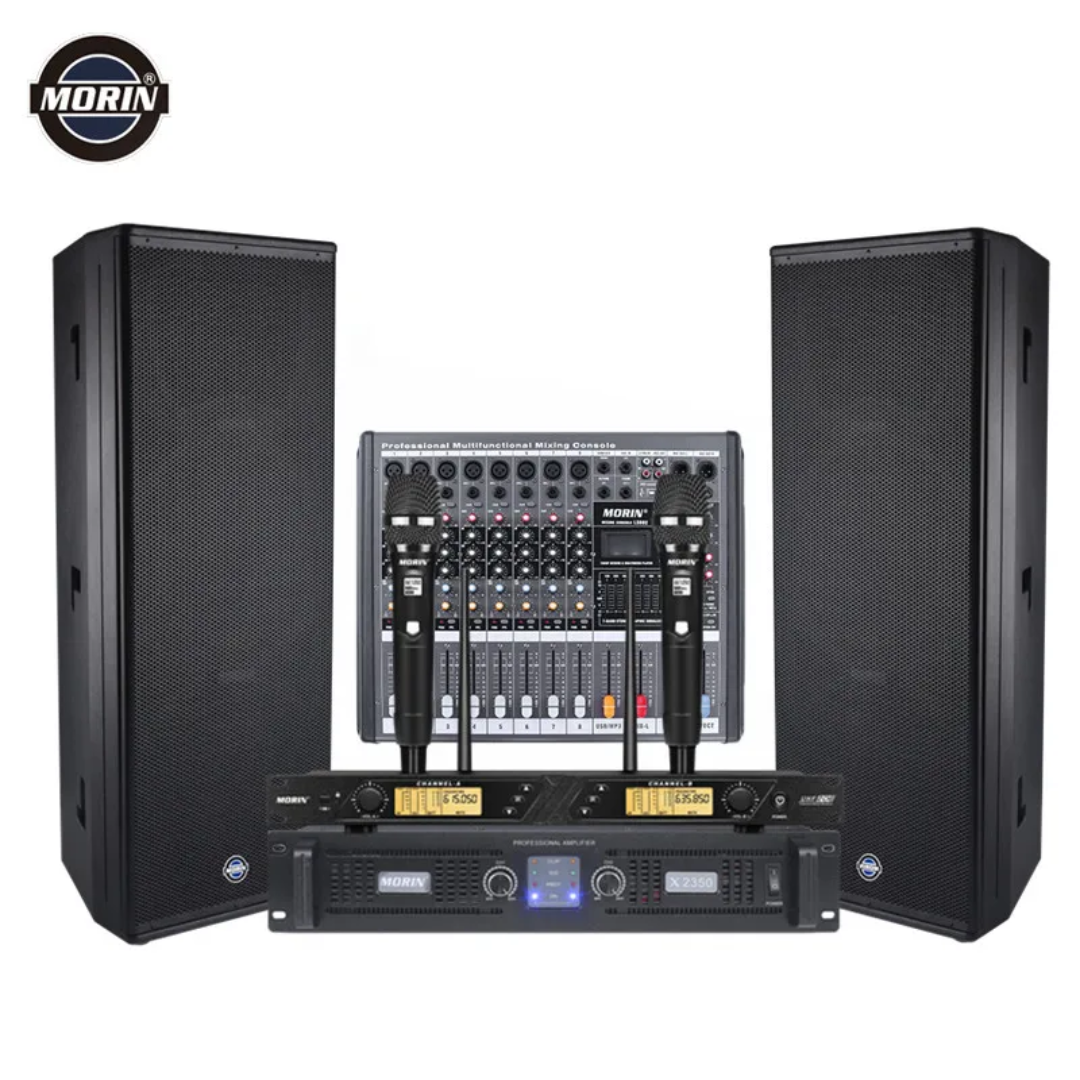
A professional sound system is made up of several interconnected pieces of equipment that capture, process, amplify, and project sound. Each component plays a vital role—from microphones that pick up voice and instruments, to speakers that deliver sound to the audience. To build a balanced system, it’s essential to understand what each part does and how they interact.
At the most basic level, you need input devices (like microphones and instruments), processing and mixing devices (mixers, equalizers, crossovers), powering equipment (amplifiers), and output devices (speakers). Connecting all of these are the often-overlooked but crucial audio cables and connectors that ensure a clean, noise-free signal path.
When done right, these components work seamlessly to produce clear, balanced, and dynamic sound—whether you’re hosting a live band, a sermon, or a DJ set. For beginners, understanding each component’s role is the key to designing a reliable and professional sound system.
Choosing the Right Gear for a Professional Setup
Microphones
Microphones capture the initial sound signal. There are many types—dynamic mics for vocals and live performances, condenser mics for studio-quality recordings, and wireless options for mobility. Choosing a quality microphone ensures clarity right from the start. When buying, look for brands known for durability, good frequency response, and compatibility with mixers.
Audio Mixer
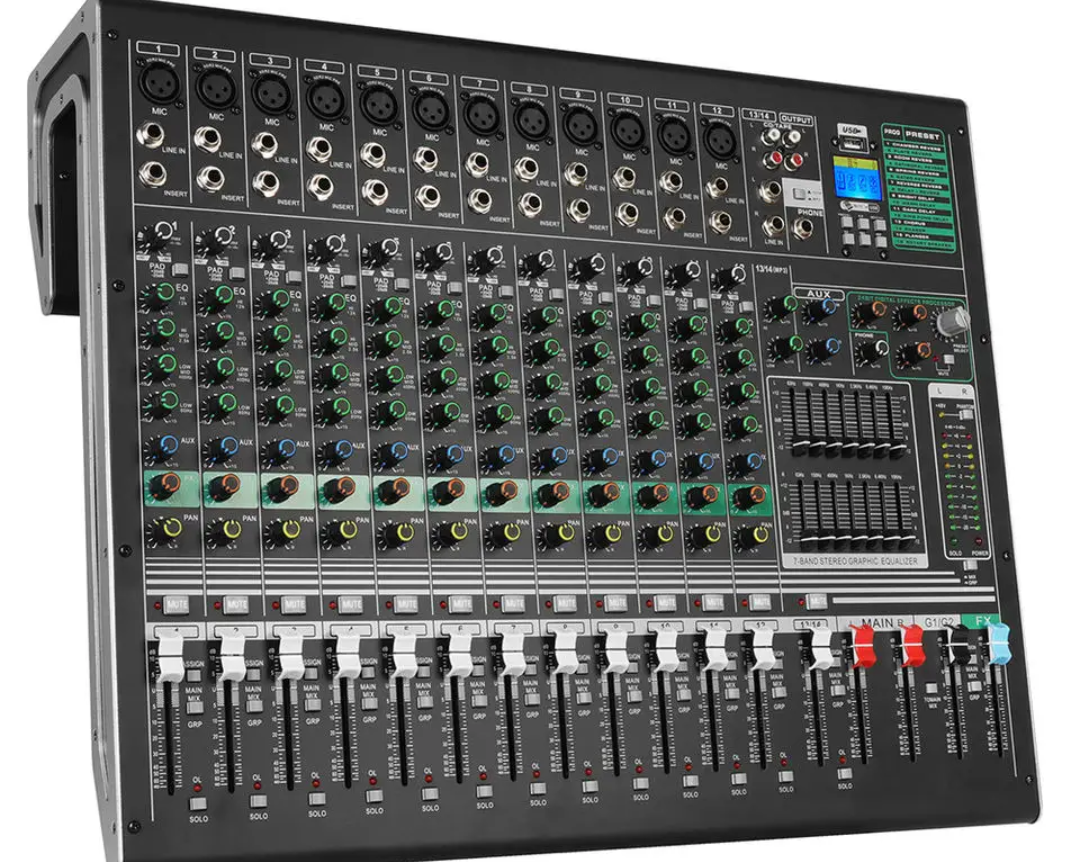
The audio mixer is the hub of your system. It blends all incoming audio signals—vocals, instruments, and devices—and allows you to adjust levels, tone, and effects. For DJs, speakers, and churches, mixers with built-in effects and multiple channels offer flexibility. Beginners should choose a mixer based on the number of sound sources they’ll be connecting.
Equalizer and Crossover
An equalizer (EQ) fine-tunes your audio frequencies to ensure a balanced sound—reducing harsh highs or boosting low-end warmth. Crossovers divide your audio signal by frequency, sending only low frequencies to subwoofers and high/mid frequencies to main speakers. Both help prevent distortion and improve clarity. Many modern mixers include built-in EQ controls, but using dedicated units offers more precision.
Power Amplifier
The amplifier powers your speakers by increasing the line-level signal into an audible volume. It’s crucial to match your amplifier’s wattage with your speakers to avoid damaging either. Beginners should avoid underpowered amps, as they often distort sound. Look for professional amplifiers with good cooling systems, overload protection, and strong wattage ratings for reliable performance.
Speakers and Subwoofers
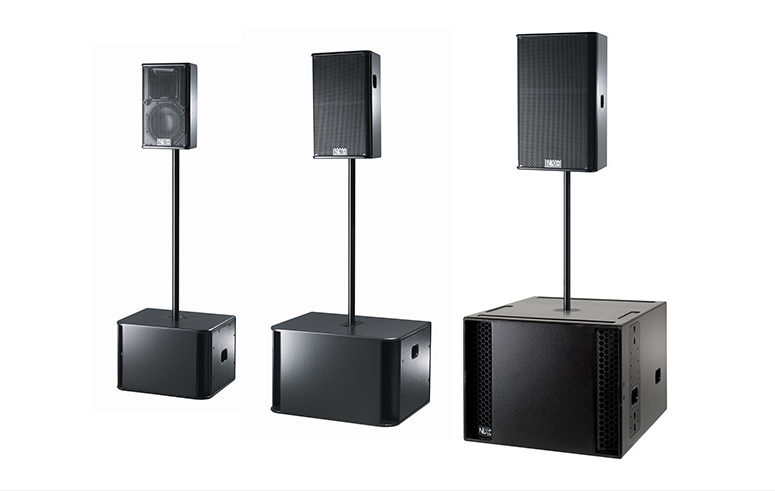
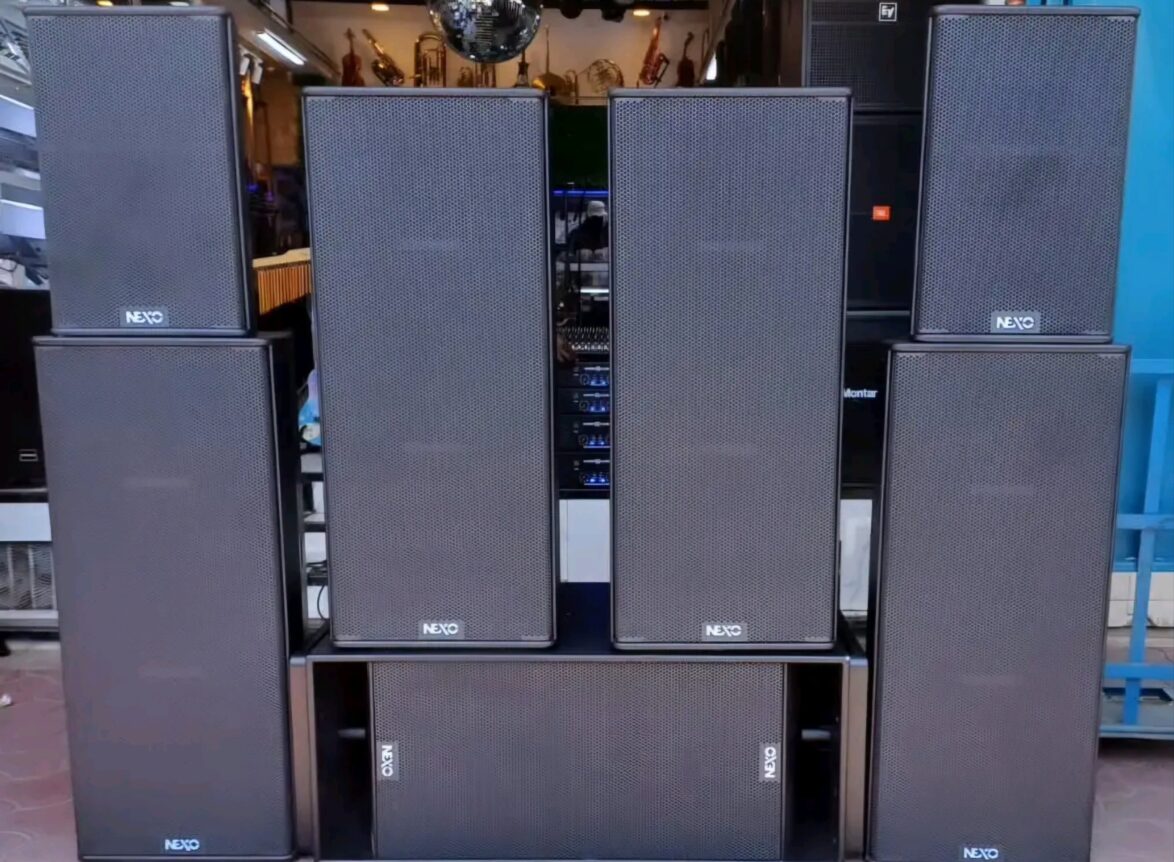
Speakers convert amplified signals into sound waves. Full-range speakers handle mid and high frequencies, while subwoofers handle deep bass. A professional setup often uses a combination of both for a full, rich sound. The size of your venue and type of events will determine the speaker size and power rating you need. Always aim for professional speakers and amplifiers that deliver clarity, loudness, and durability.
Audio Cables and Connectors
Good audio cables are the veins of your system. Poor-quality cables can cause signal loss, noise, and hums that ruin sound quality. Balanced XLR or TRS cables are best for microphones and mixers, while Speakon cables handle power connections from amplifiers to speakers. Investing in quality connectors ensures consistent performance and reliability.
How Each Piece Works Together for Clear, Powerful Sound
A professional sound system functions through a logical signal flow. It begins at the microphone, where sound is captured. The signal travels to the mixer, where you balance and combine it with other inputs. From there, the sound passes through an equalizer, which refines the tone, and into the crossover, which divides the signal frequencies for clarity.
Next, the amplifier takes over, boosting the processed signal to a level that your speakers can output effectively. The speakers and subwoofers then reproduce the sound at various frequency ranges—ensuring that vocals, instruments, and bass notes remain distinct yet harmonized.
Finally, the completion of this flow depends on high-quality audio cables connecting each element securely. When every connection and adjustment is made correctly, your listeners experience crisp highs, warm mids, and powerful lows—essential qualities of a well-built professional PA sound system.
Example Setup for a Small Event Sound System
Imagine you’re setting up sound for a small outdoor event or church service. You would begin by placing two vocal microphones connected to a 6- or 8-channel mixer. The mixer allows you to balance the microphone levels and any accompanying music from a laptop or DJ controller.
The mixer’s output connects to an equalizer and then a crossover before reaching the amplifier. The crossover splits frequencies, sending low frequencies to the subwoofers and mids/highs to the main speakers. Position your speakers slightly above head height and aim them toward the audience to ensure even coverage.
For reliable connectivity, use quality XLR and Speakon cables to minimize noise or loss. This simple yet effective setup can comfortably power events for 100–200 people while maintaining crystal-clear sound.
Common Mistakes When Building a Sound System
One of the most common mistakes beginners make is using the wrong amplifier power for their speakers. An underpowered amp can cause distortion, while an overpowered one can blow your speakers. Always match your amplifier’s RMS rating with your speakers’ power handling.
Another frequent issue is poor speaker placement. Placing speakers too close to walls or corners often causes unnecessary echoes or boomy sound. Ensure proper spacing and height for optimal coverage.
Lastly, cheap or damaged cables can ruin even the most expensive sound system. Always use durable, thick-gauge cables and avoid tangling or over-bending them. Proper cable management not only looks professional but also extends the lifespan of your equipment.
Buying Guide for Beginners
Choosing Speakers
For small events, 12-inch or 15-inch active speakers provide great balance between portability and performance. For larger venues, combine full-range speakers with separate subwoofers. Always check the speaker’s RMS wattage and sensitivity ratings for accurate power handling.
Choosing Amplifiers
When buying an amplifier, consider your total speaker load (in ohms) and required power. A good rule is to choose an amplifier that delivers 1.5 times your speaker’s rated power. Reliable brands sold at Avenue Sounds Technologies include both digital and analog amplifiers suitable for all professional setups.
Choosing Mixers
A good mixer should have enough channels for your microphones and instruments, plus built-in effects and EQ controls. Beginners can start with compact analog mixers, while professionals may prefer digital mixers for advanced signal routing and effects management.
Product Recommendations
At Avenue Sounds Technologies, you can find everything you need to build your own professional sound system. From microphones, mixers, and amplifiers to professional speakers, subwoofers, and high-quality audio cables, their selection is designed to meet both beginner and professional needs.
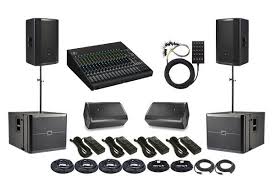
When buying, consider complete mixer amplifier speakers setups that ensure compatibility between devices. Avenue Sounds also offers reliable product advice, warranty support, and competitive prices for all major PA sound system equipment.
Explore their full product range at https://avenuesounds.co.ke and discover the sound gear that fits your event and budget.
How Each Piece Works Together for Clear, Powerful Sound
Each component in your system fulfills a unique role, but true performance comes from how well they’re integrated. The smoother the transition between stages—input, mixing, processing, amplification, and output—the more professional your result.
Synchronizing your mixer, equalizer, amplifier, and speakers allows precise control of every frequency range. When properly configured, you’ll achieve strong, distortion-free sound that’s both powerful and pleasant to hear—something every event organizer and DJ strives for.
For churches, small businesses, or mobile DJs, a carefully assembled sound system is a sound investment that elevates every performance.
Building a professional sound system doesn’t have to be complicated. By understanding each component and how they work together, you can achieve powerful, clean, and reliable audio for any environment—whether you’re setting up in a church, outdoor event, or nightclub.
If you’re ready to begin your sound system journey, explore Avenue Sounds Technologies for premium professional speakers and amplifiers, mixers, cables, and all the PA sound system components you need. Their team is ready to help you choose the right gear and bring your events to life with top-quality sound.
Make your setup sound its best—start building your professional sound system today at Avenue Sounds Technologies.